Uncategorized

The Gangrene Effect

Community connectedness is not just about warm fuzzy tales of civic triumph. In measurable and well-documented ways, social capital makes an enormous difference in our lives. […] social capital makes us smarter, healthier, safer, richer, and better able to govern a just and stable democracy.”

—Robert D. Putnam, Bowling Alone  (2000)


Imagine this: You look down at your left forearm. There’s a small patch of what looks like dirt. You go to wipe it off, but instead of coming clean, the skin begins to bleed—not a lot, not painfully, but it’s clearly not normal. You try again the next day. It bleeds again. So you stop touching it. A week goes by. Then a month. Then five years. Now the red patch has expanded until your entire forearm is inflamed, bleeding—unrecognizable.

Sounds absurd, right? Why would anyone leave a minor wound to fester for years? And yet people ignore other obvious signs of dysfunction everyday. 

I see the equivalent of this in my dental practice all the time: “My gums only bleed when I floss—so I just don’t floss.” And when asked how long it’s been happening, the answer is often: “Oh, I don’t know—a few years, probably.”

Bleeding gums are the dental version of that red patch on your arm: a warning sign we normalize. We tell ourselves it’s fine. We stop poking it. We move on. 

But normalized dysfunction is still dysfunction. And bleeding gums are just one example of a much deeper human tendency to discount what we can’t easily see.

It’s why we ignore the quiet decay of underfunded schools in low-income neighborhoods. It’s why people sleeping in doorways become invisible after enough commutes. It’s how overdoses become statistics.

There’s a more dangerous form of collective denial hiding beneath our social systems. Around the world, governments routinely neglect individuals deemed too broken, too complex, or too costly to help. We label them “unrehabbable” or “noncompliant.” We subtly justify abandoning them—socially, economically, even medically. 


In political science, there’s a term called “utilitarian distributive justice.” It suggests that government resources should be distributed to maximize society’s overall utility. In fact, it suggests there’s an ethical imperative for such efficiency—an appealing idea when viewed through a cost-benefit lens.

But somewhere along the way, that  principle was swallowed whole by market logic. We stopped asking whether society was healthy and started asking whether it was efficient

We began rationing compassion.

Writing off marginalized populations to “optimize” the majority is like ignoring a gangrenous toe because the rest of the body is functioning. But the body doesn’t work that way. And neither does a society.

This is what I call the Gangrene Effect of public policy: the idea that certain people or problems are too small, too far gone, or too expensive to treat. It’s what happens when we pretend the damage won’t spread. 

But gangrene always spreads. What could have been saved with early intervention turns into a full-blown crisis—for the whole body.

Your healthy muscles can’t run a marathon if your lungs are suffocating. You can’t cure cancer or raise children if your appendix has burst. You can’t innovate when you’re hemorrhaging from a wound that everyone pretends isn’t there.

The body acts as a cohesive whole first, and a collection of organ systems second. Society must do the same.

Of course, critics will say, “There’s no such thing as ‘unlimited resources.’ Every body still needs food. It needs rest. It needs to keep moving enough to survive while it heals.” And they’re not wrong. 

Priorities matter. But ignoring the damage doesn’t preserve the system—it quietly undermines it.

This isn’t just a policy failure. It’s a psychological blind spot.

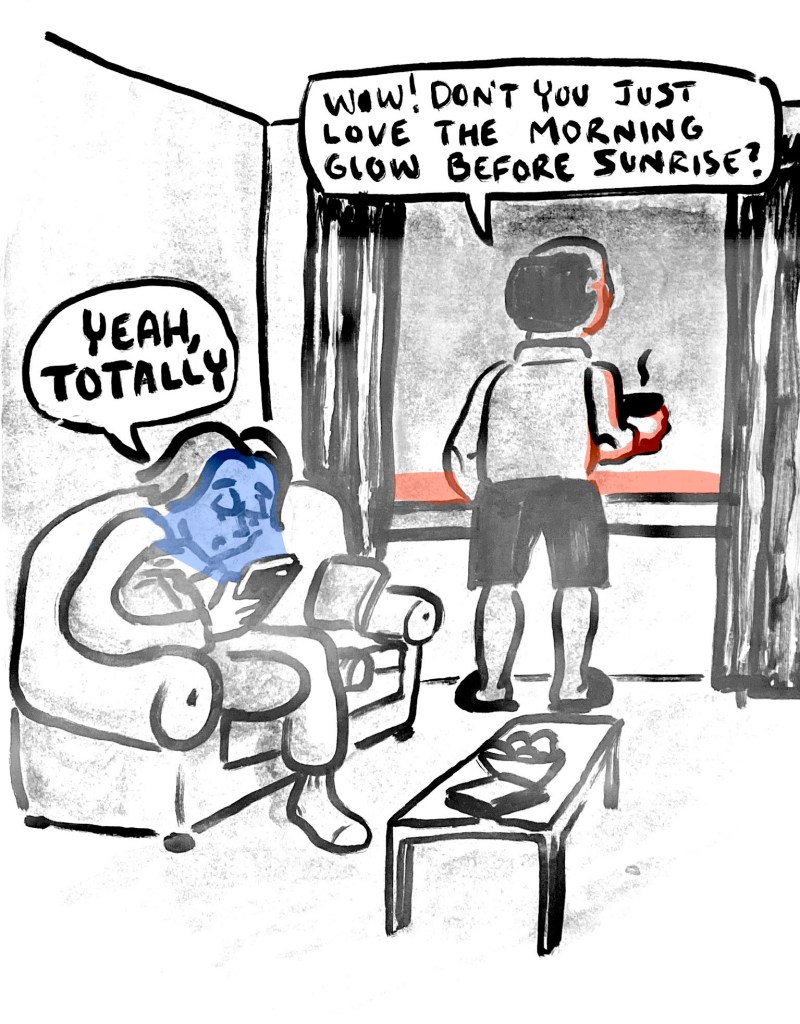
Human psychology struggles to acknowledge what it cannot easily see. No one ignores a festering, bleeding forearm in front of them. But it’s easy to dismiss the “occasional” bleeding gums. And even easier—almost expected—to ignore society’s “gangrenous toe.”

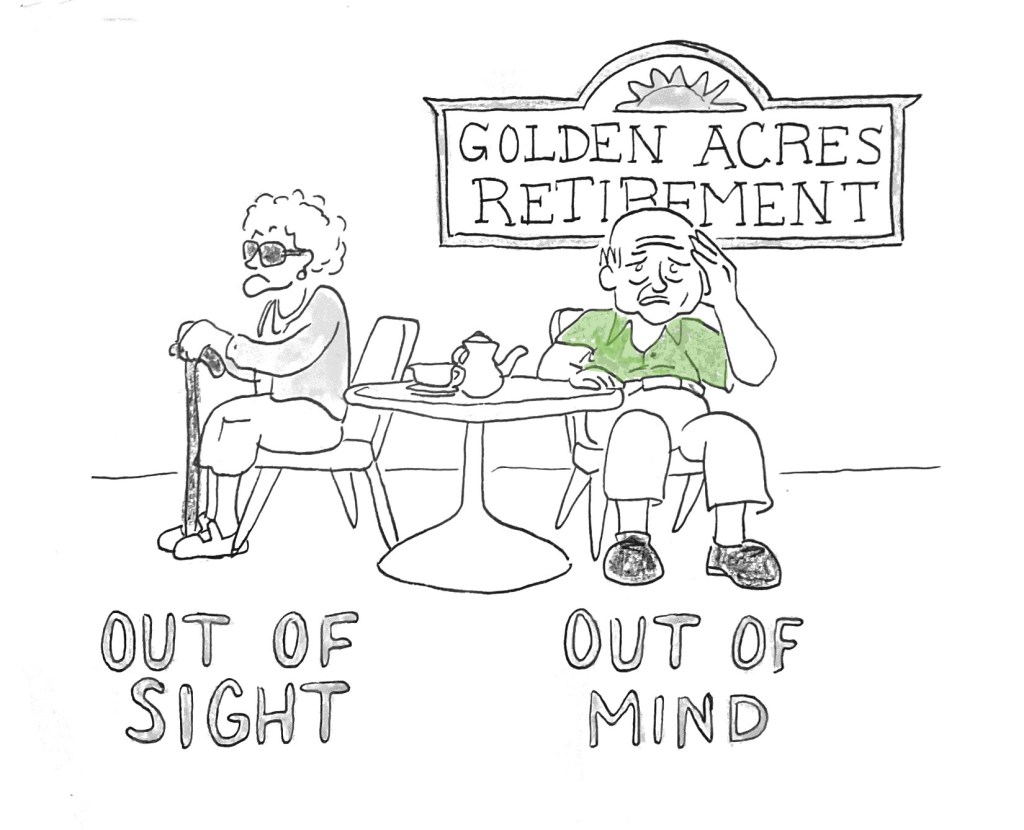
Out of sight, out of mind.

But invisible damage is still real damage—seen or unseen, it’s still there. We rationalize dysfunction until it becomes “normal”, until the red, swollen patch has taken over the whole arm—the whole society.


And yes, this entire metaphor rests on a deeper belief: that all of the body — all lives in society — are of equal worth, equal importance, equal necessity. That’s not always easy to accept. But the moment we start ranking whose pain deserves help, we trade society’s health for hierarchy. And hierarchy is not health.

So the next time you read a budget or hear someone dismissed as a “lost cause” or a program cut because it’s “not cost-effective,”

Pause.

Ask: “What would happen if this were a limb on my own body? What if it were my own child? My neighbor? What if it were me?”

And when you hear someone talk about “pulling your weight,” ask yourself: “Which part of the body is choosing to ignore the infection? Which part has the power to act—but doesn’t? Who’s benefitting here? What is this really about?”

This isn’t just about pity. It’s about participation.

People stuck in cycles of poverty, addiction, and violence don’t need our judgment—they need early intervention, investment, and connection. They don’t need to be “fixed” so they can be “productive.” They need to be valued because they’re human. They are part of our body. Part of our community. And we all suffer when they are left to rot.

Gangrene doesn’t stop when we ignore it. It spreads—until there’s nothing left.


“Well, once you have the premise that every human life is of equal value — I mean, that directs a lot of what you do — both your money and your efforts, and the people you attract, and all sorts of things involved in that.”

— Warren Buffett, Inside Bill’s Brain: Decoding Bill Gates, Part 2 (2019)

Standard
cartoons

Everyday Hugs

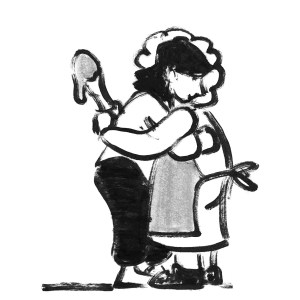
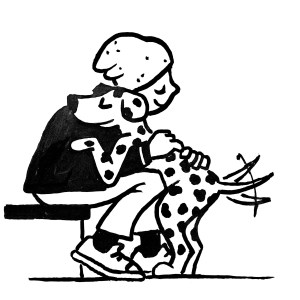
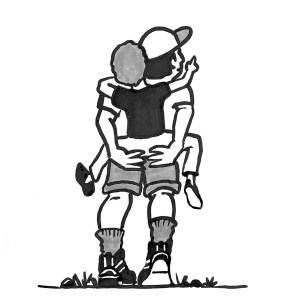
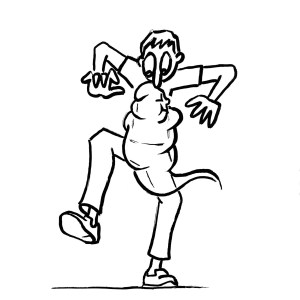
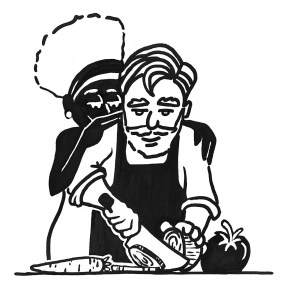
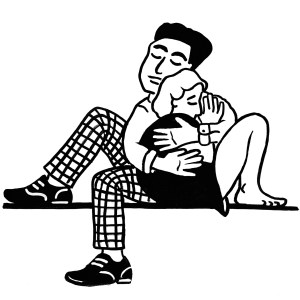
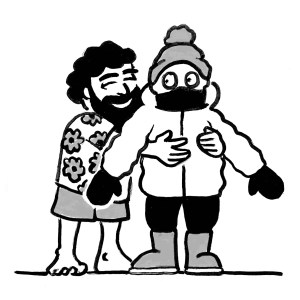
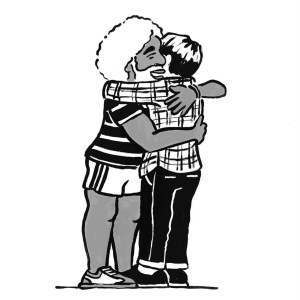
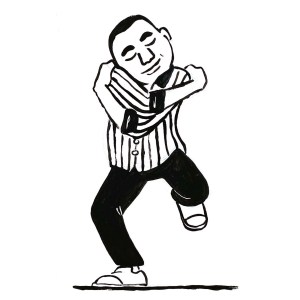
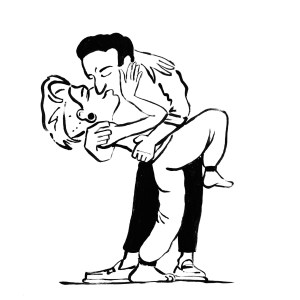
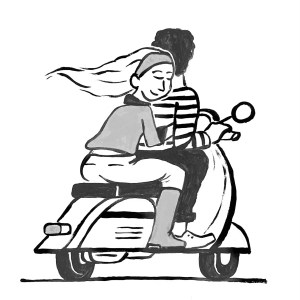
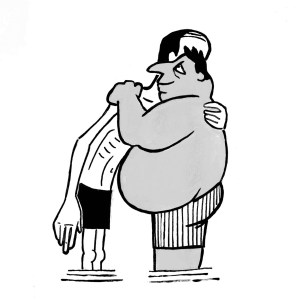
The below images are part of an ongoing cartooning project called Everyday Hugs. You can find updated illustrations at http://instagram.com/everyday_hugs

A well-crafted 30-Day Challenge (set yourself a daily goal and stick to it for a month) can be a powerful life-improvement tool. They are how I started flossing daily, started making the bed every morning, stopped biting my nails, and ended the vicious alarm-snooze-alarm-snooze cycle.

The past 30 days were devoted to improving my illustration skills by drawing at least one cartoon per day. To reduce decision fatigue, they were all to be of the same subject — you guessed it!— Hugs. It seemed like an easy enough goal, but between working and parenting a toddler, the challenge lived up its name.

The above images are the uncomplicated, unsophisticated, and relatively unprofessional result. But I don’t think they are unimportant, especially in our current historical moment.

You’ll notice that I chose to omit certain things. There are no phones, no internet, no pandemic, no masks nor social distancing, no guns nor violence. Yet these people are not living in utopia. They aren’t all happy.

These thirty cartoons are a purely selfish project, which means their outward message may be limited. But I was, in fact, trying to say something. And as with any message you try to convey, the question is alway: How many times must it be repeated before it’s heard? How many more until it’s understood? How many more beyond that until it’s lost once again? For every listener there is a different voice; for every voice there is a different threshold.

Standard
Uncategorized

If We Were Like Clouds

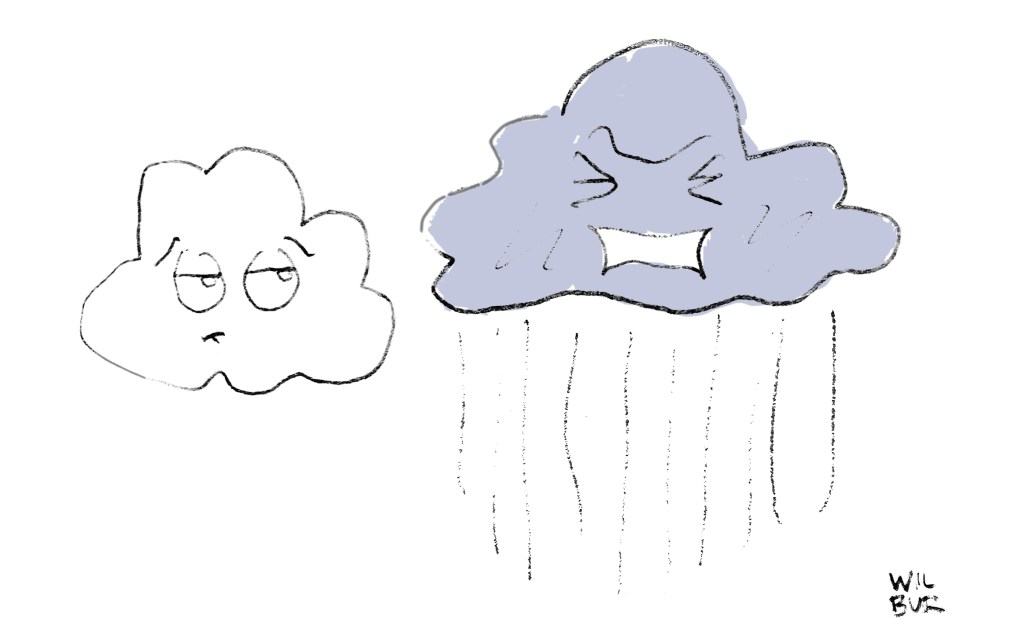
Do clouds have bad days? Do you think a cloud ever wakes up, bursting at the seams, downpour-ready, when a sudden weather front prevents it? Are clear blue skies a cloud tragedy or a much needed respite? Do they have things they need to get done? Do they have deadlines?

Created through the (very official sounding) process of adiabatic cooling, clouds form from a speck of dust.1 As they grow they can become tiny wisps of cotton-candy or large torturous storms. They can bring peaceful shade or apocalyptic destruction. They are infinite in potential shape, size, and formation yet can be placed into a few broad categories.2 Whether insulating or reflecting, heating or cooling, shading or pouring, the life of a cloud is defined by the unique conditions of its birth and the interaction with its immediate surroundings. Sound familiar?

We humans share a lot with our ‘inanimate’ cousins (who are as alive and connected as any of us). Like clouds, we each play a role as one part of a greater whole. And like clouds, we play this role perfectly every minute of every day. The difference is our inward analysis and perception of how things are going. It’s the illusion of “progress” that makes us feel like we’re on the “wrong path,” “behind,” or “failing.” It is our judgement of the situation, not the situation itself, which causes dissatisfaction. Our arbitrary timelines, deadlines, and goals are part of our motivation machinery, but they do not define our purpose (which often goes hidden or unnoticed, like clouds unaware of the vital roles they play).

True, clouds have a distinct advantage in accepting their existence as is—accepting life with a stoicism afforded only by the most inanimate of nature’s living body. But we can still learn a lot from clouds, created and destroyed in harmonious balance with the rest of nature. Are we really any different?


Related essay: “If We Were Like Trees” (2017)

___

  1. “The Importance of Understanding Clouds,” NASA Fact Sheets, National Aeronautics and Space Administration, http://www.nasa.gov, 2005. (Source)
  2. Jin-Yi Yu, “Chapter 6: Cloud Development and Forms,” Microsoft Power Point. Earth System Science 5: University of California, Irvine. (Source)
Standard
cartoons

The Modern Woman

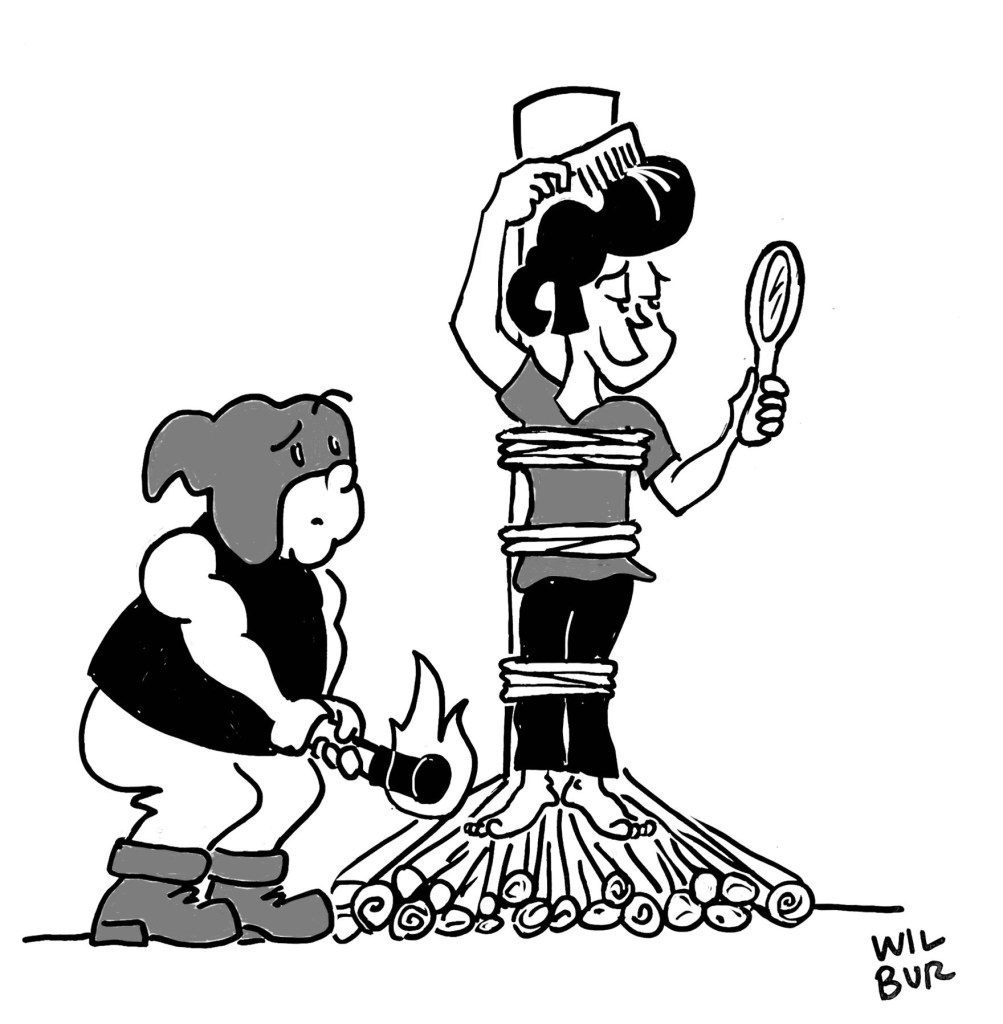
PrioritiesWhat’s do you see? What comes to mind when looking at the image above? Is it a celebration of the modern woman’s accomplishments—breaking down gender barriers while juggling life’s many tasks? Or perhaps it’s an example of mansplaining—a message from yet another male critic of the “feminist agenda”? Does the image endorse multitasking or condemn it? Liberal or conservative? Sexist or feminist? An attack on contemporary activism, consumerism, and technology or a recognition of the modern world?
Yep.

Last week the New Zealand prime minister, Jacinda Ardern, announced that she was pregnant. Her first child will be born during her first year in office. News outlets had a field day. Social media immediately flooded with opinions. And I… well… I drew a cartoon.

Standard
Uncategorized

Merry Christmas! (from the Southern Hemisphere)

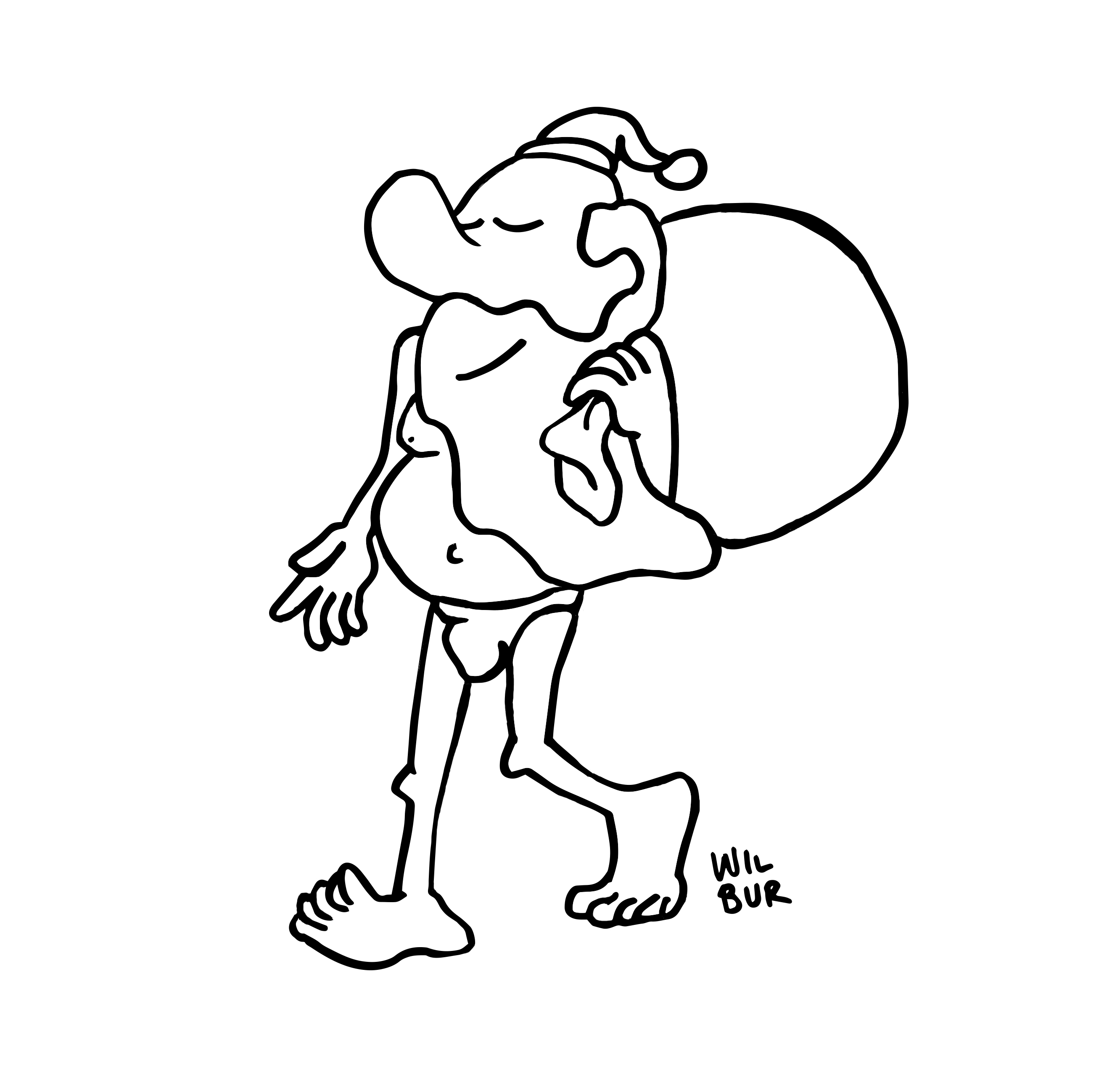
Santa Hammock

It’s warm here in New Zealand—a Christmas experience I’m certainly not accustomed. Growing up in the American Heartland, we often enjoyed a traditional white Christmas—chill in the air, snowmen on the front lawn, festive decorations with vibrant light displays. Now that we’ve moved to the other side of the world, it doesn’t really feel like Christmas. But I can’t complain.

Warm weather in December has it’s benefits (outdoor barbecues, swimming at the beach, and going on hiking trips, to name a few).  That being said, living in a different country can be a mind-bending experience. Every day is Opposite Day.

There are the more obvious differences between the United States and New Zealand: The seasons are reversed so summer is winter, spring is autumn, and so on; the people drive on the left side of the road rather than the right; they speak English (or what seems to be English) with an accent; and the timezone change means it’s tomorrow, today. But there are also some less obvious distinctions.

In New Zealand, light switches flick up and down, but down is “on” and up is “off.” The moon’s surface has craters, but there’s no illusion of a man’s face from this angle. Appetizers are called entrees, and entrees are called mains. Circumcision for baby boys is the exception not the rule. Pick up a jar of “mayonnaise” from the supermarket and you might find a sweet, gloopy sauce made without eggs. And when comparing political parties to the U.S., New Zealand conservatives are liberal, and their liberals are, well, even more liberal.

It’s a world of small differences—differences that add up to create a largely different experience. This holiday season, as families celebrate Christmas across the globe, they do so in different ways. We may agree on the name for this season, but the details can get a bit a hazy.

Does Santa get milk and cookies or biscuits and bourbon? Is it Santa, Saint Nicholas, or actually an old witch named Befana? Real tree, synthetic tree, or no tree at all? Stockings or shoes? Christmas ham, lamb, or deep-fried caterpillar?

Whether celebrating at home, traveling to visit friends and family, or moving halfway around the world, I hope you enjoy what makes your Christmas different—what makes it special to you. Happy Holidays!

Standard